





(Matthew Hatcher/Getty Images)
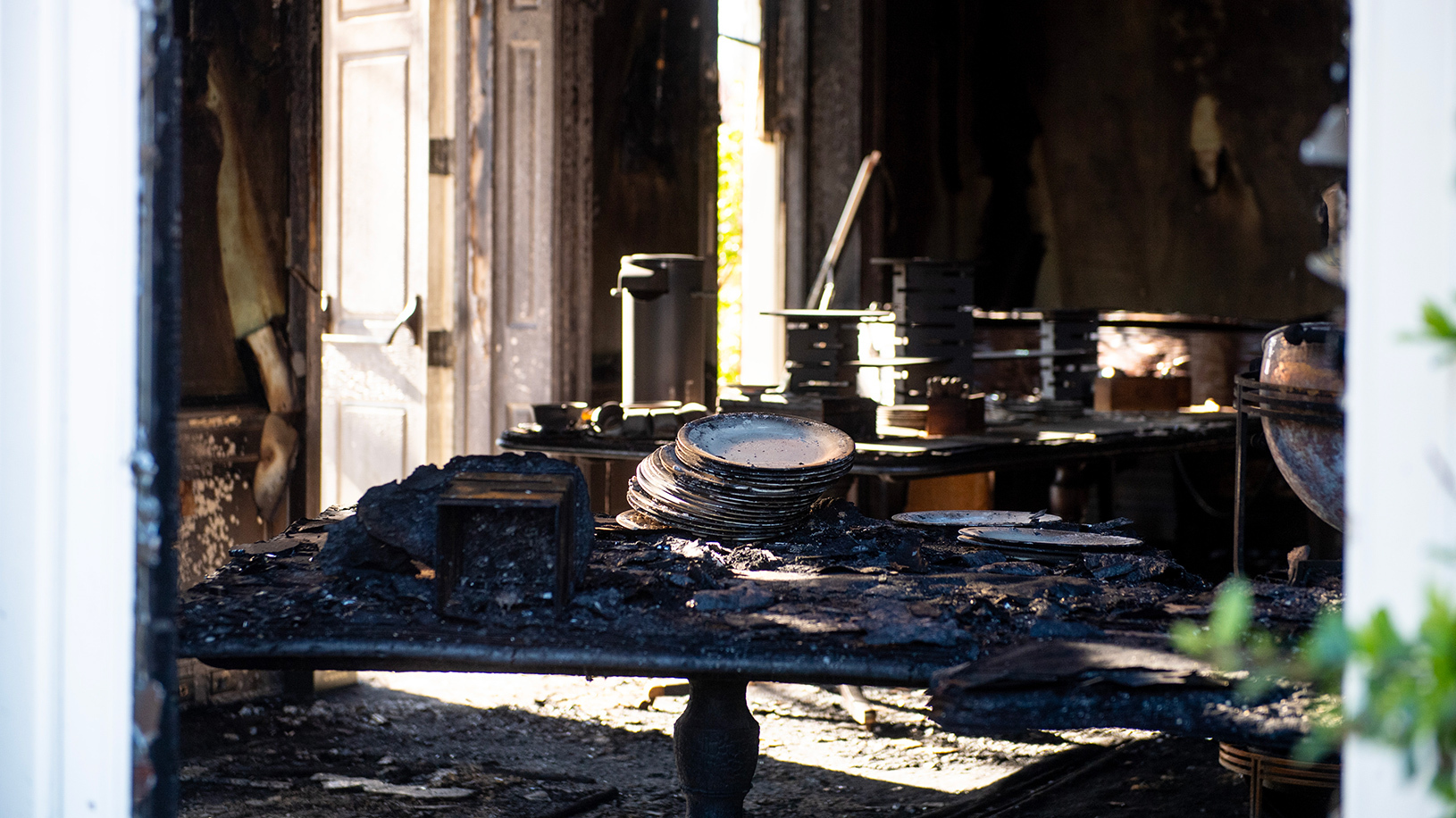
The aftermath of an arson attack at the Pennsylvania Governor's Mansion and Gov. Josh Shapiro's residence on April 13, 2025, in Harrisburg, Pennsylvania.
Protect Houses of Worship
The bipartisan SACRED Act would create a buffer zone around houses of worship; click here to urge your U.S. Representative to co-sponsor this bill today.
The year 2025 was the third-highest year on record for antisemitic incidents since the Anti-Defamation League (ADL) began tracking them in 1979.
Each year, the ADL tracks incidents of antisemitic harassment, vandalism and physical assault in the United States in our annual Audit of Antisemitic Incidents. While incidents of harassment and vandalism decreased significantly in 2025 from record highs in 2023 and 2024, physical assaults this past year were higher than ever before. In 2025, there was an average of 17 incidents per day, compared to an average of eight incidents per day between 2020 and 2022.
More than two years after October 7, 2023, fundamentally transformed the landscape of antisemitism in America, the data make clear that while the fight against antisemitism and the work that ADL does has yielded measurable progress, the work of tracking, confronting and dismantling antisemitism demands our continued, unwavering vigilance. Rigorous, year-over-year tracking of antisemitic incidents is essential to understand the true size and scope of this threat, identify emerging trends, and measure which efforts are working and where more action is needed.

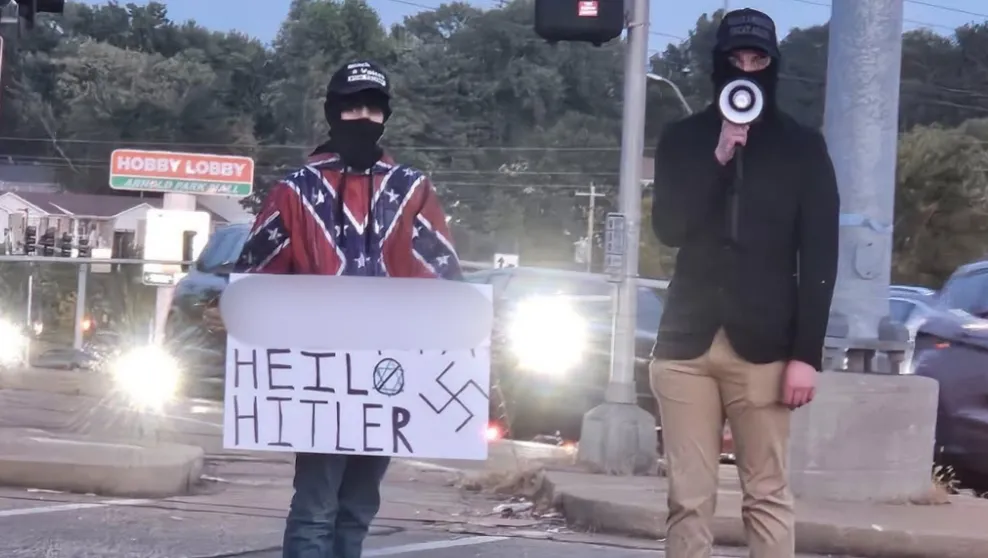
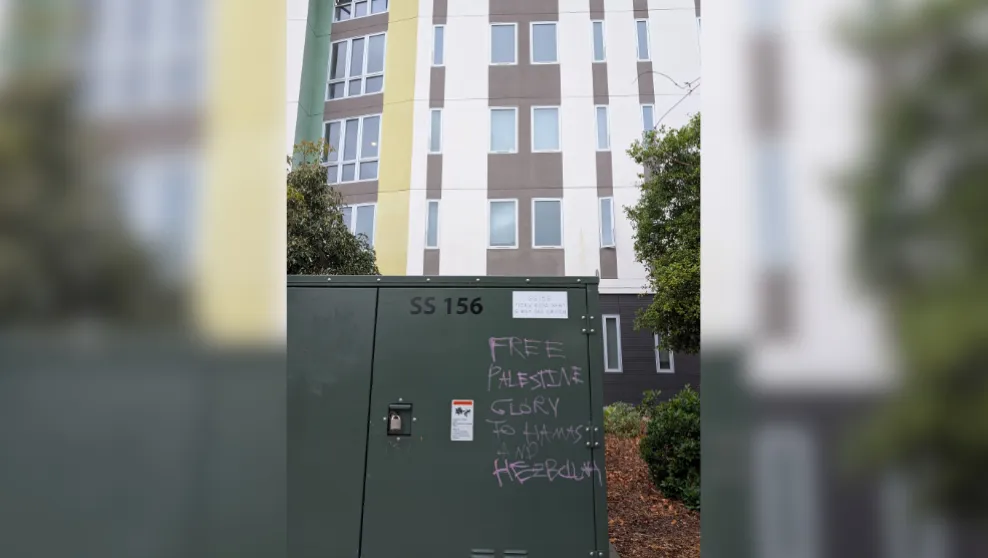
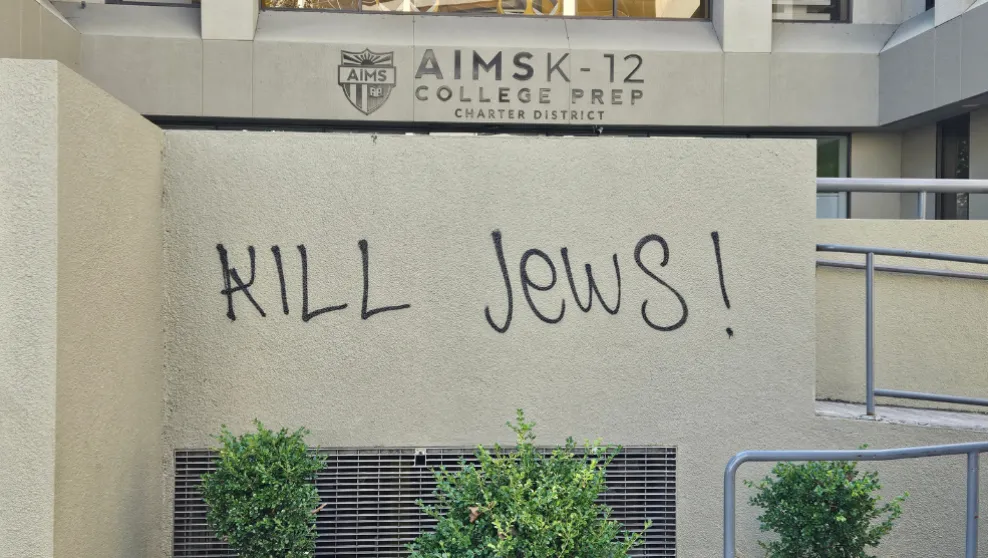
Antisemitic incidents decreased significantly in 2025 compared to 2024, but levels remained much higher than in years prior to 2023.
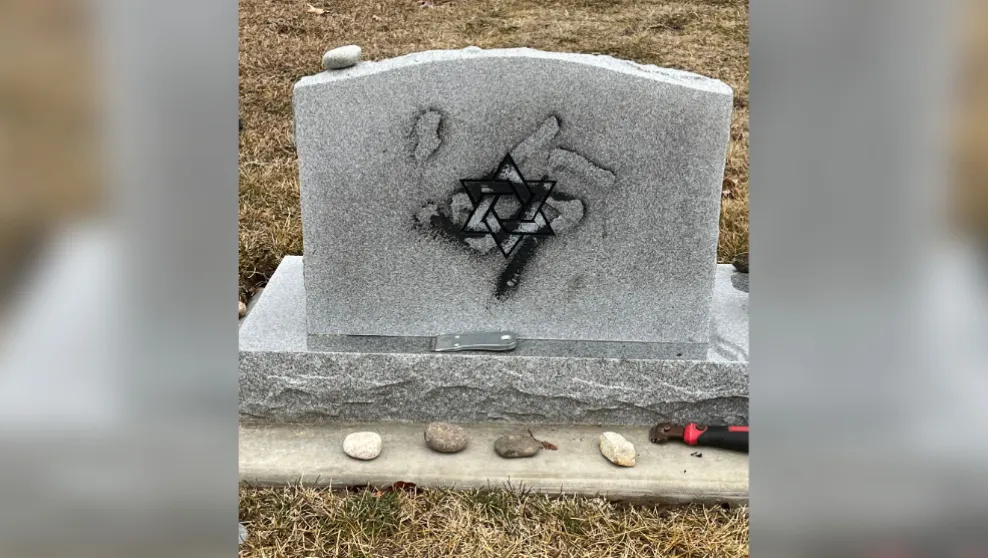
This report catalogues quantitative trends in antisemitic incident data in 2025. But each incident represents a real person and a community impacted by antisemitism. View more information on each of the 6,274 incidents of antisemitism in the United States in 2025 below.
In 2025, ADL tracked 6,274 antisemitic incidents in the United States. This was 33% lower than the 9,354 incidents tabulated in 2024, but five times higher than a decade ago.
Helping to protect Jewish community institutions from elevated threats, ADL successfully advocated for a $30 million increase in federal Nonprofit Security Grant Program funding for fiscal year 2026. Click to learn more.
Incidents of harassment and vandalism decreased but physical assaults, including two deadly incidents, remain on the rise.
In 2025, three people were killed in antisemitic attacks. At least 300 people—children, parents, colleagues, and friends—were victimized by these assaults. It was the first year since 2019 in which Jewish people were murdered in the United States in antisemitic attacks.
A shooting at the Capital Jewish Museum in Washington, D.C.; an attack with Molotov cocktails at a Run for Their Lives event in Colorado; a firebombing of Governor Josh Shapiro’s residence in Pennsylvania while the first family was inside; a stabbing of a Jewish man on the streets of New York—these events represent four out of 32 antisemitic assaults involving a deadly weapon in 2025, up from 23 such incidents in 2024.
In seven of these incidents, victims were targeted for their real or perceived support for Israel. Violently targeting members of the Jewish community in America, regardless of their relationship with Israel, is antisemitic and inexcusable. The fact that antisemitic assaults have not decreased over two years since October 7, 2023, is a sobering reminder that this fight is far from over, and that the safety of Jewish communities depends on our collective willingness to meet this moment with urgency.
ADL is calling for our federal government to protect the Jewish community by strengthening the Nonprofit Security Grant Program at $1 billion and advancing comprehensive legislation to counter antisemitism. Click to learn more.
Incidents decreased most significantly on college and university campuses, by 66% (from 1,694 to 583).
The most significant factor contributing to the decrease in incidents on college campuses in 2025 was the decline of the anti-Israel encampment movement that drove the spike in incidents on campuses in the spring of 2024. Antisemitic incidents related to anti-Israel protests, including encampments, decreased by 83% on college campuses in 2025 compared to the year before.
Vandalism and assault incidents on college campuses also dropped steeply, by 51% and 72%, respectively. The anti-Israel protests that swept campuses in 2024 coincided with, and sometimes directly drove, antisemitic property destruction and physical violence. Efforts to address this activity appear to have had a meaningful impact, reducing not only the volume of antisemitic messaging on campuses, but also making those campuses safer for Jewish students and community members.
But the threat of antisemitism on college campuses is far from gone. Incidents on college campuses remained almost three times higher in 2025 than in 2021.
Combating campus antisemitism is a major priority for ADL. Since its 2024 launch, ADL's Campus Antisemitism Report Card has driven meaningful progress in how colleges address antisemitism, with the share of schools earning A and B grades rising significantly in 2026 as they increasingly adopt ADL-recommended policies. Click to learn more.
Incidents at Jewish institutions decreased by 34% in 2025, from 1,702 to 1,129. In 2023 and 2024, synagogues experienced massive waves of bomb threats and swatting threats that disrupted Jewish life. In 2025, ADL recorded 59 bomb threats against Jewish institutions, down from 627 in 2024 and 996 in 2023.
While the volume of hoax bomb threats has reduced significantly, the Jewish community still faces an unprecedented threat environment. For example, a Chabad Jewish Center in Punta Gorda, Florida faced an arson attack in September. In June in San Antonio, Texas, a man wielding a knife threatened congregants near a synagogue, yelling: "Go back to your (expletive) country, you (expletive) Jews." In addition to the fatal shooting at the Capital Jewish Museum in Washington, D.C., these examples demonstrate the physical threats still facing the Jewish community at their places of worship, education and communal gathering.
ADL works around the clock to detect and prevent threats against the Jewish community. Our Threat Monitoring Unit has identified and reported hundreds of potential threats, including potential mass casualty attacks, since its establishment in 2024. Click to learn more.
Unlike at most other location types, incidents at non-Jewish K-12 schools remained relatively stable in 2025 (825) compared to 2024 (860). Incident levels at other major location types are more often driven by organized group activity, both in anti-Israel and white supremacist spaces. At K-12 schools, by contrast, the vast majority of incidents involve individual, peer-to-peer behavior, such as antisemitic bullying or students vandalizing classrooms with swastikas. The persistence of this trend underscores the urgent need for greater investment in educational programs that teach students, parents and educators about antisemitism and how to combat it.
This is why we are calling for proactive and comprehensive approaches in K–12 schools through clear definitions, robust education, consistent enforcement and fact-based curricula. Click to learn more.
Antisemitic incidents carried out by white supremacists continued to decrease, but groups still distributed propaganda widely.
Incidents related to Israel or Zionism made up a large portion of antisemitic incidents, remaining exceedingly elevated compared to pre-October 7, 2023, levels.
Incidents with elements related to Israel or Zionism made up slightly less than half of all incidents in 2025 (2,847 or 45%), a smaller proportion than the 58% (5,452) Israel-related incidents in 2024. By comparison, between 2020 and 2022, only about 10% of antisemitic incidents were Israel- or Zionism-related.
The single most important factor in the decline in Israel-related antisemitic incidents was the lower level of antisemitic activity at rallies organized by anti-Israel groups. The number of antisemitic incidents that occurred at or in the vicinity of anti-Israel protests decreased by 67% between 2024 and 2025, reflecting a general decline in anti-Israel protest activity. These incidents do not include legitimate political protest of Israeli policies or general pro-Palestinian activism, which ADL is careful to distinguish from antisemitic rhetoric.
Nonetheless, anti-Israel protests were still the site of a concerning 856 antisemitic incidents, the majority (68%) of which were organized by one or more of the anti-Israel groups highlighted below. Protesters at these rallies often openly displayed support for violence against the Jewish community, including by glorifying U.S.-designated Foreign Terrorist Organizations like Hamas and Hezbollah that have an antisemitic ideology or have carried out antisemitic violence, and celebrating the Hamas-led October 7, 2023, terror attack. In other antisemitic incidents that took place at anti-Israel rallies, protesters promoted classic antisemitic tropes or targeted Jewish institutions and harassed Jewish individuals.
ADL works to protect the Jewish community by representing victims of antisemitism, extremism and hate through strategic litigation designed to secure systemic change and hold bad actors accountable. Since 2023, ADL has filed more cases than in its entire 113-year history. Click to learn more.
As in 2024, antisemitic incidents occurred in all 50 states and Washington, D.C.
Within those states, major metropolitan areas with large Jewish populations continued to experience the highest levels of incidents, including New York City (860), Los Angeles County (398), and Bergen County in New Jersey (139).
ADL urges every state to establish Nonprofit Security Grant Programs and dedicated antisemitism task forces to better protect vulnerable communities through coordinated funding, prevention efforts and comprehensive statewide strategies. Click to learn more.
1. Campus Report Card
ADL launched the Campus Antisemitism Report Card in 2024 to evaluate how colleges are addressing antisemitism, assessing schools across administrative actions, Jewish campus life and overall campus climate. Since its launch, the initiative has demonstrated clear and measurable impact, with the proportion of schools earning A and B grades rising significantly from 23.5% in 2024 to 61% in 2026. This progress has been accompanied by strong institutional engagement, as 89% of the 150 campuses assessed in 2026 actively collaborated with ADL to inform the report card. Notably, half of the 135 institutions evaluated in 2025 improved their grades in 2026, reflecting consistent upward momentum. Much of this improvement can be attributed to colleges and universities adopting ADL-recommended policies, including stronger enforcement measures, training on antisemitism, dedicated task forces and enhanced incident reporting systems.
2. Threat Monitoring
Every day, the ADL Center on Extremism Threat Monitoring Unit (TMU) races to protect the Jewish community from those who seek to harm it. Since its establishment in 2024, TMU has leveraged proprietary technology and expert analysis to identify and report more than 300 potential threats, including planned mass casualty attacks targeting Jewish institutions, schools and public spaces, as well as arson and hate crimes. This cutting-edge approach provides law enforcement and communal security partners with crucial intelligence needed to intervene before violence occurs and protect communities in the U.S. and around the globe.
3. Funding to Protect Jewish Institutions
ADL is helping to protect Jewish community institutions across the country. ADL drove a multifront campaign to fight for increased funding for the life-saving Nonprofit Security Grant Program (NSGP), which protect at-risk Jewish institutions and other vulnerable communities. ADL was able to secure a $30 million increase in NSGP funding for fiscal year 2026, which is directly helping Jewish community institutions secure themselves against elevated threats.
4. Representing Victims of Antisemitism, Extremism and Hate
ADL protects the Jewish community by representing victims targeted by antisemitism, extremism and hate. ADL’s litigation work gives voice to victims who have been targeted, while delivering legal results that reach far beyond any individual legal matter. Our cases are designed to secure systemic change, deter discrimination, hold those who violate the law accountable and provide redress for victims. Since 2023, ADL has filed more cases than in the organization’s entire 113-year history, including lawsuits on behalf of individuals who have faced antisemitic discrimination at business establishments, on campuses and at workplaces. ADL represents victims of the October 7 terrorist attack in their ongoing fight for justice, as well as those targeted by extremist groups. ADL has filed civil rights and legal complaints against colleges and public school districts to address antisemitic environments for Jewish students, including successfully resolved matters against the Concord-Carlisle Regional School District, Pomona College, Occidental College and the Santa Ana Unified School District.
1. Federal
2. State
3. Education
The ADL Audit of Antisemitic Incidents is comprised of both criminal and non-criminal incidents of harassment, vandalism, and assault against individuals and groups as reported to ADL by victims, law enforcement, the media, and partner organizations. It is not a public opinion poll or an effort to catalog every expression of antisemitism.
Incidents are defined as vandalism of property, or as harassment or assault of individuals or groups, where either 1) circumstances indicate anti-Jewish animus on the part of the perpetrator, or 2) a reasonable person or group of people could plausibly conclude that they have been victimized due to their Jewish identity. Vandalism of Jewish cultural, educational, or religious institutions, as well as cemeteries, is generally included. Cases of robbery or theft are generally not included unless evidence of specific antisemitic animus is present.
Credibility and tabulation: ADL carefully examines the credibility of all reported incidents, including obtaining independent verification when possible. Each antisemitic action is counted only once, regardless of how many times it has been reported to ADL. ADL counts certain “sprees” of incidents only once. For example, if antisemitic fliers from an extremist group are distributed to several homes in one city over the course of a weekend, this is considered one incident for the purpose of the Audit. Similarly, if multiple expressions of antisemitism take place at a single public event, those expressions are only counted as one incident.
Online Content: The Audit includes cases where individuals or groups are harassed online via antisemitic content in direct messages, on listservs, or in social media settings where they would have the reasonable expectation of not being subjected to antisemitism. The Audit does not attempt to assess the total amount of antisemitism online.
Incident Locations: Online incidents are logged under the location type of any associated institution, school or business (e.g., an antisemitic email sent to a synagogue is logged under Jewish Institution). If no institution is involved, online incidents are logged under the Online location type (e.g., a Jewish individual receiving antisemitic direct messages on social media). Incidents occurring in the vicinity of a location type may also be logged under that location type (e.g., a student harassed by a classmate across the street from their school is logged under K-12 School).
Israel and Zionism: ADL is careful to not conflate general criticism of Israel or anti-Israel activism with antisemitism. Legitimate political protest, support for Palestinian rights or expressions of opposition to Israeli policies are not included in the Audit. ADL’s approach to Israel-related expressions comports with the International Holocaust Remembrance Alliance’s (IHRA) working definition of antisemitism.
Since October 7, 2023, ADL began to include in the Audit certain expressions of opposition to Zionism, as well as support for violent resistance against Israel or Zionists that could be perceived as supporting terrorism or attacks on Jews, Israelis or Zionists.
When they occur during public activism (such as at protests), in confrontations between individuals or in the form of vandalism (such as graffiti), these expressions constitute an implicit attack on the great majority of American Jews who view a relationship with Israel to be an integral part of their religious, cultural and/or social identities. Such rhetoric can be traumatizing to many American Jews and has led to their exclusion from some spaces simply because of that element of how they define and express their Jewishness.
Physical scuffles or verbal insults between pro- and anti-Israel protestors are generally not included in the Audit unless the context suggests an antisemitic or anti-Zionist motivation for the assaults.
The Audit includes all cases of picketing of Jewish religious or cultural institutions for their perceived or real support for Israel. It does not include protests outside pro-Israel political activist groups or Israeli embassies/consulates unless those protests incorporate anti-Zionism, support for terrorism or classic antisemitic tropes.
Burning or desecrating Israeli flags is generally not included in the Audit.
Swastikas: The appearance of swastikas, which are generally interpreted by Jews to be symbols of antisemitic hatred, is included in the Audit. However, swastikas are generally not included in circumstances when they appear to be targeting a different minority group. Swastikas used as a means of political protest in non-Israel-related issues are also not included.
The Audit excludes the following types of incidents:
Antisemitic activities or statements that take place in private venues (e.g., at a private meeting) or in a manner that requires potential victims to “opt-in” to access them (e.g., by going to websites where unmoderated discussion occurs, looking at specific individuals’ social media pages, etc.)
Instances of discrimination (e.g., a Jewish employee not receiving an accommodation for Rosh Hashanah), unless the discrimination is accompanied by verbal harassment as described above.
General expressions of white supremacy or other hateful ideologies, unless those expressions include overt antisemitic elements.
Data Sources:
The largest source of incidents included in the Audit are those reported to ADL directly by victims. ADL Center on Extremism researchers also monitor media reports and other online spaces for credible reports of antisemitic incidents and extremist activity.
In 2021, the Audit began incorporating reports of antisemitic incidents from other Jewish organizations with whom ADL has established partnerships. In 2025 those organizations included the AEPi, Chabad on Campus, Community Security Initiative (CSI), Community Security Service (CSS), Hillel International, Israel on Campus Coalition (ICC), Israeli American Council (IAC), Jewish Community Relations Council (JCRC), Jewish Federations of North America (JFNA), Jewish Grad Organization (JGO), Jewish on Campus, Secure Communities Network (SCN), Stop Hate in Schools, Union for Reform Judaism (URJ) and United Synagogue of Conservative Judaism (USCJ). We thank these organizations for their ongoing efforts to help encourage reporting of antisemitic incidents. All incidents are assessed by ADL for credibility and are deduplicated before being included in the Audit. Incident totals reported in the ADL Audit may differ from totals announced by partner agencies due to methodological differences pertaining to how incidents are defined and tabulated.
ADL appreciates the assistance of the over 380 law enforcement agencies that have shared information about antisemitic incidents and criminal activity with us since 2020.
The work of ADL’s Center on Extremism is supported, in part, through the generosity of:
The ADL Lewy Family Institute for Combatting Antisemitism
Horace W. Goldsmith Family Foundation
Joyce and Irving Goldman Family Foundation
Lisa and Douglas Goldman Fund
Lillian and Larry Goodman Family Foundation
The Morningstar Foundation
The Charles and Mildred Schnurmacher Foundation