Behavioral Threat Assessment and Management (BTAM): A Guide for Law Enforcement
Tools and Strategies
Behavioral Threat Assessment and Management (BTAM) is a proactive, evidence-based approach to identify, assess, and help individuals who exhibit concerning and threatening behaviors. The goal is to prevent violence before it happens by connecting individuals with appropriate support and resources. BTAM helps law enforcement understand the current threat environment and how different factors affect each community. There are several resources available on BTAM best practices, including the…
Behavioral Threat Assessment and Management (BTAM): A Guide for Educators
Tools and Strategies
Behavioral Threat Assessment and Management (BTAM) is a systematic, evidence-based process used by schools, workplaces, and law enforcement to identify, assess, and manage individuals who may pose a threat to themselves or others. The model provides a structured way to notice warning signs, understand what they mean, and take action before anyone gets hurt. BTAM helps answer important questions like: Is this person in crisis? Are they at risk of hurting themselves or others? What support do…
When Fandom Meets Hate: Antisemitism in the True Crime Community (TCC)
Article
Antisemitism in the TCC shows up as casual slurs and inside jokes; admiration for antisemitic killers; extremist iconography like swastikas; and as part of how an attacker frames their violence.
What is Behavioral Threat Assessment and Management (BTAM)?
Tools and Strategies
BTAM helps schools, workplaces, clinicians, and law enforcement spot warning signs in persons who may be in crisis and intervene before violence occurs.
A loosely connected global network of online actors involved in illicit and harmful activities, like swatting, sadistic online exploitation (SOE), ransomware attacks, and distributing child sexual abuse material.
The Memetic Violence Field Guide: Terms, Symbols, and Phrases in Violent Online Subcultures
Tools and Strategies
A glossary that explains some of the popular terms, references, and images used to signal transgression and belonging in online communities that glorify mass violence and extremist killings.
In some ways, summer 2026 offered Israelis and Jews a sense of relief that had been elusive since Hamas’ October 7, 2023, attack on Israel. For the first time, no hostages remained in Gaza and a ceasefire with Hamas brought a measure of calm after more than two years of war. While the possibility of renewed attacks from Iran remained a source of anxiety, the relative quiet allowed many Israelis to begin returning to familiar routines. According to Israeli tourism industry estimates,…
Antisemitic 9/11 Conspiracy Theories Endure and Evolve 25 Years Later
Article
When ADL published its first report on 9/11 conspiracy theories in 2003, it noted that the internet allowed an “unprecedented cross-fertilization of antisemitic ideas” and that they contributed to a “new form of global antisemitism.” The report also noted that these conspiracy theories were likely to endure and “form the basis of a new antisemitic canard that will linger for decades and be used to demonize Jews and Israel.” The report was prescient. The so…
How Islamist Terror Threats Have Evolved Since 9/11
Article
25 years after 9/11, the threat of Islamist extremism hasn't disappeared — it has evolved. Today's terror groups use social media to reach millions globally, across borders, and sometimes without ever communicating directly with them.
Research Confirms: Teaching Antisemitism as a Cyclical Conspiracy Theory Works
Article
New research shows the Gringlas Unit effectively teaches students to recognize antisemitism as a recurring conspiracy theory, reducing belief in antisemitic tropes after just one lesson.
Antisemitic and Anti-Israel Chants Expose a Troubling Reality in Syria
Article
When forces led by Hayat Tahrir al-Sham (HTS), which had been a US-designated Foreign Terrorist Organization until its revocation on July 8, 2025, seized Damascus on December 8, 2024, Syria’s new rulers moved quickly to portray themselves as pragmatic, inclusive and ready to engage with the international community. Yet chants heard at military ceremonies, government operations and public demonstrations tell a different story. They show that explicit antisemitism and anti-Israel…
Building Student Digital Literacy: ADL Innovation Lab for Educators
Tools and Strategies
Join the ADL Innovation Lab and partner with ADL to equip students with digital literacy skills to combat online mis- and disinformation that lead to hate.
Khalil al-Hayya was elected head of Hamas’ political bureau in July 2026, succeeding Yahya Sinwar, the leading architect of the October 7, 2023 terrorist attack against Israel, which was the deadliest day for the Jewish people since the Holocaust. Hamas, which the United States has designated a Foreign Terrorist Organization since 1997, selected al-Hayya after a closely contested council vote against former Hamas leader Khaled Meshaal. Al-Hayya’s narrow victory over…
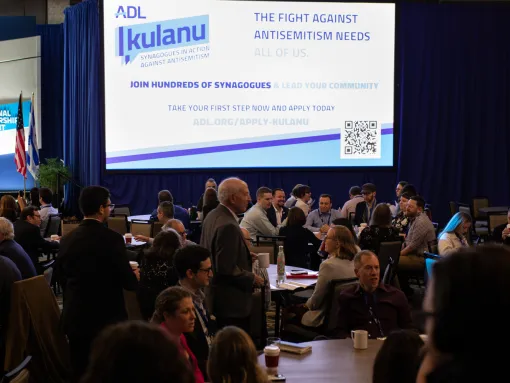
The links on this page will take you to helpful ADL resources to support you as you learn and take action against antisemitism, anti-Zionism and extremism as a Kulanu network member. These resources are not exhaustive. We encourage you to reach out to [email protected] if you cannot find what you are looking for here. ProtectEvery community and individual experiencing antisemitism can turn to ADL for help. By reporting antisemitic incidents and working to detect and disrupt threats, we weaken the…
Preventing Discrimination in Campus Tenure and Promotion Selection Processes
Tools and Strategies
Disclaimer: This resource is not intended to provide and should not be construed as legal advice. Title VII and Legal Obligations for University DecisionsTenure and promotion decisions are employment actions subject to federal and state anti-discrimination laws. Universities must ensure that faculty evaluation, tenure, reappointment and promotion processes are fair, consistent and free from discrimination based on protected characteristics. Under Title VII of the Civil Rights Act of 1964,…
If you encounter antisemitism or biased content in your college or university classroom experiences, ADL is here to help. Campus Classroom Reporting is designed to help students and other members of campus communities identify and confidentially report concerns about antisemitism or biased content related to Jews and Israel in classroom settings, course materials, assignments, discussions, or faculty conduct. This resource provides guidance on what types of incidents should be reported, why…