Behavioral Threat Assessment and Management (BTAM): A Guide for Law Enforcement
Tools and Strategies
Behavioral Threat Assessment and Management (BTAM) is a proactive, evidence-based approach to identify, assess, and help individuals who exhibit concerning and threatening behaviors. The goal is to prevent violence before it happens by connecting individuals with appropriate support and resources. BTAM helps law enforcement understand the current threat environment and how different factors affect each community. There are several resources available on BTAM best practices, including the…
Behavioral Threat Assessment and Management (BTAM): A Guide for Educators
Tools and Strategies
Behavioral Threat Assessment and Management (BTAM) is a systematic, evidence-based process used by schools, workplaces, and law enforcement to identify, assess, and manage individuals who may pose a threat to themselves or others. The model provides a structured way to notice warning signs, understand what they mean, and take action before anyone gets hurt. BTAM helps answer important questions like: Is this person in crisis? Are they at risk of hurting themselves or others? What support do…
When Fandom Meets Hate: Antisemitism in the True Crime Community (TCC)
Article
Antisemitism in the TCC shows up as casual slurs and inside jokes; admiration for antisemitic killers; extremist iconography like swastikas; and as part of how an attacker frames their violence.
What is Behavioral Threat Assessment and Management (BTAM)?
Tools and Strategies
BTAM helps schools, workplaces, clinicians, and law enforcement spot warning signs in persons who may be in crisis and intervene before violence occurs.
A loosely connected global network of online actors involved in illicit and harmful activities, like swatting, sadistic online exploitation (SOE), ransomware attacks, and distributing child sexual abuse material.
The Memetic Violence Field Guide: Terms, Symbols, and Phrases in Violent Online Subcultures
Tools and Strategies
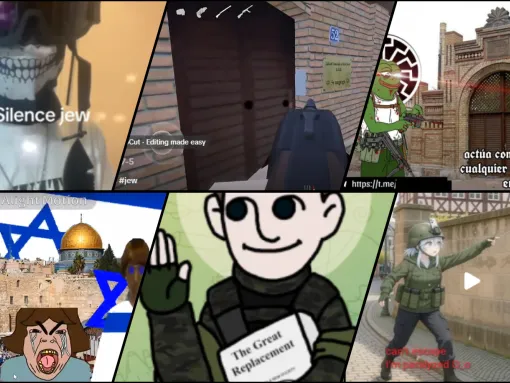
A glossary that explains some of the popular terms, references, and images used to signal transgression and belonging in online communities that glorify mass violence and extremist killings.
Two Years of Turmoil: The Strategic Evolution of Anti-Israel Activism on U.S. Campuses and 2025–2026 Challenges
Report
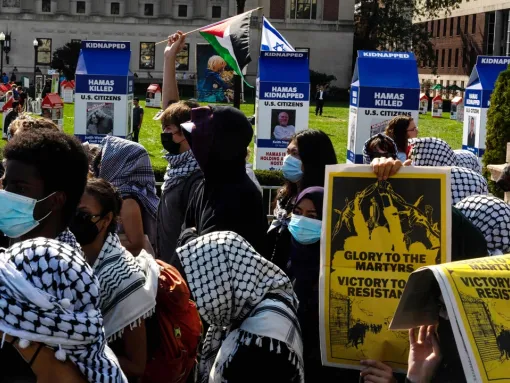
ADL examined the strategic evolution of anti-Israel activism on U.S. campuses and provides recommendations for universities to respond proactively to changing tactics.
In some ways, summer 2026 offered Israelis and Jews a sense of relief that had been elusive since Hamas’ October 7, 2023, attack on Israel. For the first time, no hostages remained in Gaza and a ceasefire with Hamas brought a measure of calm after more than two years of war. While the possibility of renewed attacks from Iran remained a source of anxiety, the relative quiet allowed many Israelis to begin returning to familiar routines. According to Israeli tourism industry estimates,…
Status Report: Antisemitism in America after Boulder
Report
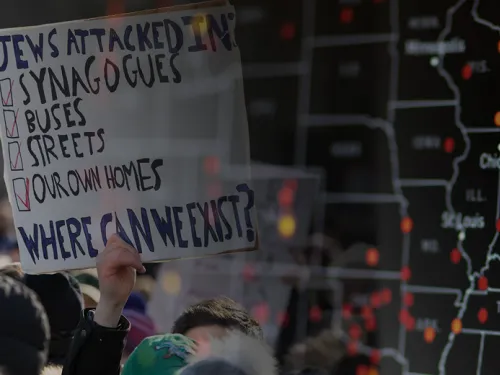
A new ADL survey found that a substantial number of Americans justify or excuse violence against Jews while most still reject antisemitism and want action taken against it.
Hate in the Cascade States: Extremism & Antisemitism in Oregon & Washington
Report
This report provides a snapshot of antisemitism and extremism in Oregon and Washington, highlighting key trends tracked by the ADL Center on Extremism.
Antisemitic 9/11 Conspiracy Theories Endure and Evolve 25 Years Later
Article
When ADL published its first report on 9/11 conspiracy theories in 2003, it noted that the internet allowed an “unprecedented cross-fertilization of antisemitic ideas” and that they contributed to a “new form of global antisemitism.” The report also noted that these conspiracy theories were likely to endure and “form the basis of a new antisemitic canard that will linger for decades and be used to demonize Jews and Israel.” The report was prescient. The so…
A Year of Hate: Antisemitism on Telegram Post-10/7
Report
The ADL Center on Extremism (COE) conducted a comprehensive analysis of violent antisemitism and anti-Israel content on Telegram following the 10/7 attacks.