Behavioral Threat Assessment and Management (BTAM): A Guide for Educators
Tools and Strategies
Behavioral Threat Assessment and Management (BTAM) is a systematic, evidence-based process used by schools, workplaces, and law enforcement to identify, assess, and manage individuals who may pose a threat to themselves or others. The model provides a structured way to notice warning signs, understand what they mean, and take action before anyone gets hurt. BTAM helps answer important questions like: Is this person in crisis? Are they at risk of hurting themselves or others? What support do…
When Fandom Meets Hate: Antisemitism in the True Crime Community (TCC)
Article
Antisemitism in the TCC shows up as casual slurs and inside jokes; admiration for antisemitic killers; extremist iconography like swastikas; and as part of how an attacker frames their violence.
A loosely connected global network of online actors involved in illicit and harmful activities, like swatting, sadistic online exploitation (SOE), ransomware attacks, and distributing child sexual abuse material.
The Memetic Violence Field Guide: Terms, Symbols, and Phrases in Violent Online Subcultures
Tools and Strategies
A glossary that explains some of the popular terms, references, and images used to signal transgression and belonging in online communities that glorify mass violence and extremist killings.
The Safety Divide: Open-Source AI Models Fall Short on Guardrails for Antisemitic, Dangerous Content
Report
ADL study finds popular open-source LLMs can easily be manipulated by malicious actors to produce antisemitic, extremist, and dangerous content amid weak safety guardrails.
Short Dialogues with AI Reduce Belief in Antisemitic Conspiracy Theories
Report
A groundbreaking study supported by ADL found that fact-based dialogues with a trained AI chatbot durably reduced antisemitic conspiracy beliefs and increased favorability toward Jews.
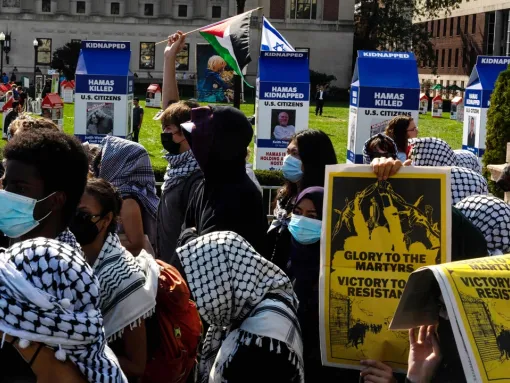
Two Years of Turmoil: The Strategic Evolution of Anti-Israel Activism on U.S. Campuses and 2025–2026 Challenges
Report
ADL examined the strategic evolution of anti-Israel activism on U.S. campuses and provides recommendations for universities to respond proactively to changing tactics.
IntroductionProfessional academic associations are an often unrecognized part of the higher education landscape, yet they are deeply influential in shaping the culture and intellectual contributions of academic fields and disciplines. As publishers and conveners, they play a vital role in the production and dissemination of knowledge. They also serve as a primary source of professional socialization for academics across campuses, and often set the standards for professional ethics. Yet many of…
Portrait of Antisemitic Experiences in the U.S., 2024-2025
Report
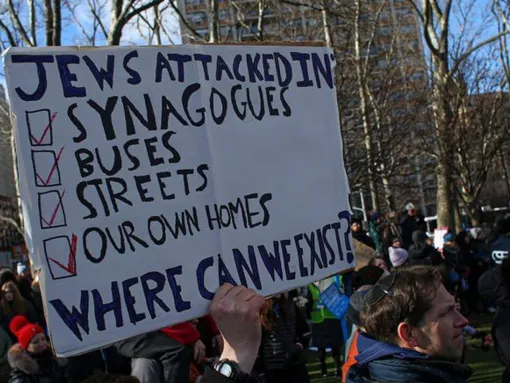
This joint ADL-Jewish Federations research shows the normalization of antisemitism and its effects on American Jews’ mental health and feelings of safety.
False Flag Narratives Emerge on Reddit After D.C., Boulder Attacks
Report
Research by the ADL Center for Tech & Society (CTS) found that the term ‘false flag’ ranked as the second most popular term on Reddit in a sample of conversations about the antisemitic Boulder attack and the fifth most popular following the D.C. Capitol Jewish Museum attack.
Status Report: Antisemitism in America after Boulder
Report
A new ADL survey found that a substantial number of Americans justify or excuse violence against Jews while most still reject antisemitism and want action taken against it.
Antisemitism in Independent K-12 Schools Post-October 7
Report
ADL’s RAI and CCAE found high rates of antisemitism in independent K-12 schools, especially within curricula, with insufficient response from administrators.