


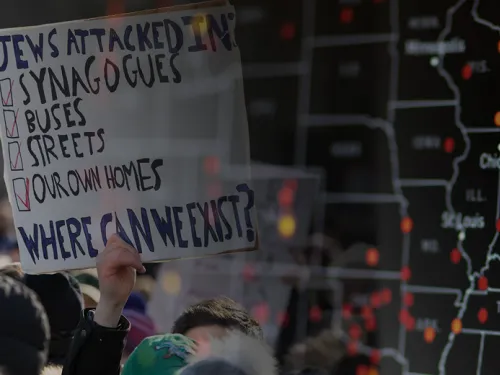





The Boycott, Divestment and Sanctions movement, known as BDS, is an international, decentralized movement formally launched by Palestinian organizations in 2005 that seeks to delegitimize and pressure Israel through diplomatic, financial, professional, academic and cultural isolation. BDS-aligned groups worldwide often engage in BDS campaigns at their own discretion. Increasingly, BDS campaigns have also targeted Jews, Jewish institutions and others who support Israel’s right to exist or…
676 Results
Back
The Impact of Israel Divestment on the New York City Pension Funds: Estimating BDS’s Financial Toll on New York City Employees, Retirees and Beneficiaries

This report details the real human impact of some of the sites Cloudflare sustains and evaluates the systemic policy and enforcement gaps that allow them to remain operational.
A data-driven look at anti-Jewish bias, attitudes towards Israel, and campus climate, with implications for universities and institutional action.

An extremist belief system that blends concepts from neo-Nazism with some forms of Satanism and treats violence as a spiritual practice.

Antisemitism in the Com signals transgression, intimidates victims, helps members gain status, and connects them to other extremist communities.

Most acts of targeted violence don't happen without warning. Learn about the signs experts look for in someone who may be on a pathway to violence

Each stage along the pathway reflects an escalation in thought and behavior, leading toward violence.

Learn how to recognize these attacks and how to respond to them

Behavioral Threat Assessment and Management (BTAM) is a systematic, evidence-based process used by schools, workplaces, and law enforcement to identify, assess, and manage individuals who may pose a threat to themselves or others. The model provides a structured way to notice warning signs, understand what they mean, and take action before anyone gets hurt. BTAM helps answer important questions like: Is this person in crisis? Are they at risk of hurting themselves or others? What support do…
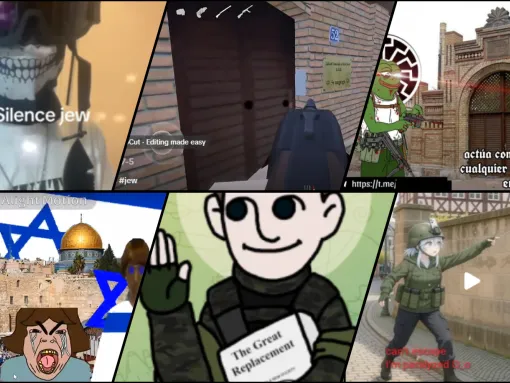
Antisemitism in the TCC shows up as casual slurs and inside jokes; admiration for antisemitic killers; extremist iconography like swastikas; and as part of how an attacker frames their violence.

A loosely connected global network of online actors involved in illicit and harmful activities, like swatting, sadistic online exploitation (SOE), ransomware attacks, and distributing child sexual abuse material.

A glossary that explains some of the popular terms, references, and images used to signal transgression and belonging in online communities that glorify mass violence and extremist killings.
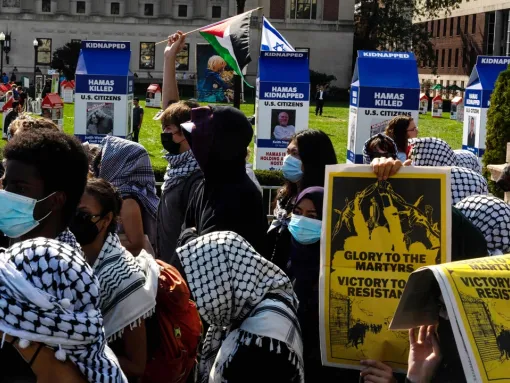
ADL examined the strategic evolution of anti-Israel activism on U.S. campuses and provides recommendations for universities to respond proactively to changing tactics.
In some ways, summer 2026 offered Israelis and Jews a sense of relief that had been elusive since Hamas’ October 7, 2023, attack on Israel. For the first time, no hostages remained in Gaza and a ceasefire with Hamas brought a measure of calm after more than two years of war. While the possibility of renewed attacks from Iran remained a source of anxiety, the relative quiet allowed many Israelis to begin returning to familiar routines. According to Israeli tourism industry estimates,…
This white paper examines the double standard in Norway’s sovereign wealth fund, revealing that Israeli companies face the highest exclusion rate of any country.

This ADL Center on Extremism report details and analyzes the domestic extremist-related murders in the United States in 2024

This report provides a snapshot of antisemitism and extremism in Oregon and Washington, highlighting key trends tracked by the ADL Center on Extremism.

In a new study, the ADL Center on Extremism found 1.8+ million unique pieces of extremist or hateful content on Steam.

A look at the 10 most prevalent trends in antisemitic messaging, tactics, and patterns post-Oct. 7