








A new ADL and Boundless Israel study found that reminding young Americans that most people reject antisemitism helps them recognize and report it.
228 Results
Back
As the Houthis, the Islamic Republic of Iran’s terror proxy in Yemen, expands its regional campaign by threatening to close Bab-al-Mandab, a vital chokepoint for Red Sea shipping, and by attacking Saudi Arabian territory, it is important to note that these are not isolated incidents. They are part of a wider pattern of Houthi threats and attacks against Israel, the United States and their regional allies, which stems from an ideology rooted in antisemitism and anti-Americanism. The…

Israel’s first parliamentary election since the Hamas-led terror attacks of October 7, 2023, drew the highest voter turnout in decades, an estimated 78 percent of registered voters and 80 percent turnout among Arab Israelis. In English, Arabic, Persian and Turkish language commentary about the election analyzed by ADL, bad actors across the ideological spectrum used the elections to demonize Jews, Zionists, Israelis, and the State of Israel. These trends were observed across traditional…
Una nueva investigación del Centro de Tecnología y Sociedad de la ADL identifica 19 cuentas activas que influyen en el enfoque sobre Israel, Hamás y el 7 de octubre; la edición sesgada es ahora menos evidente, pero no ha desaparecidoNueva York, NY, 15 de octubre de 2026 Más de un año después de que la Liga Antidifamación (ADL) revelara una campaña coordinada de varios años para introducir narrativas antisemitas y anti…

A classroom RCT experiment shows that teaching antisemitism as a recurring conspiracy reduces teens' endorsement of antisemitic tropes.

IntroductionIn the classroom, educators are often looking to create spaces for discussion and learning about unfolding current events, like the ongoing Israeli-Palestinian conflict, October 7th and the subsequent Hamas-Israel War. Learning about any current events risks harmful incidents among students. However, there is also an opportunity for a meaningful and nuanced learning experience that may still cause discomfort or emotional reactions, but can create new…

IntroductionFeelings of fear, powerlessness and vulnerability are common experiences all people share whenever acts of hatred, terrorism, or mass shootings occur, and feelings are personally compounded when the events target a group with which members of the school community identify. Children and teens are not immune to these feelings, but adults can help by providing information that answers their questions, giving them opportunities to express how they feel, reassuring them that adults in…

A groundbreaking study supported by ADL found that fact-based dialogues with a trained AI chatbot durably reduced antisemitic conspiracy beliefs and increased favorability toward Jews.

This joint ADL-Jewish Federations research shows the normalization of antisemitism and its effects on American Jews’ mental health and feelings of safety.

A new ADL survey found that a substantial number of Americans justify or excuse violence against Jews while most still reject antisemitism and want action taken against it.

Most Jewish students face antisemitism; over 25% of Jewish students said they had observed anti-Jewish activity from faculty. Rates of self-censorship of Jewish identity and views of Israel remain high.
Majority of Jewish parents surveyed report antisemitism in K-12 schools; and despite high public support for Holocaust and antisemitism education, less than 1/3 get it.

An ADL study shows that Jewish and Israeli Americans are subject to discrimination in the US labor market because of their identity, not their qualifications.

The sharp increase in antisemitic incidents worldwide since October 7 demonstrates the need to take global action to combat anti-Jewish hate.

Educators can teach young people what antisemitism is, where it comes from and what it looks like today, so they can recognize and report it.
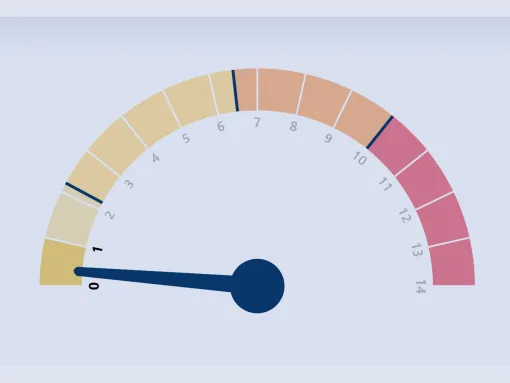
The CAR Interventions to Counter Antisemitism: Quarterly Insights series includes insights from the most promising interventions studied by CAR and the team’s partners.

Sponsored by CAR, Dr. Jeffrey Kopstein, Ana Schugurensky and Dr. Rachel Shenhav-Goldberg investigated anti-Jewish and anti-Israel attitudes on four UC campuses.

New research shows the Gringlas Unit effectively teaches students to recognize antisemitism as a recurring conspiracy theory, reducing belief in antisemitic tropes after just one lesson.
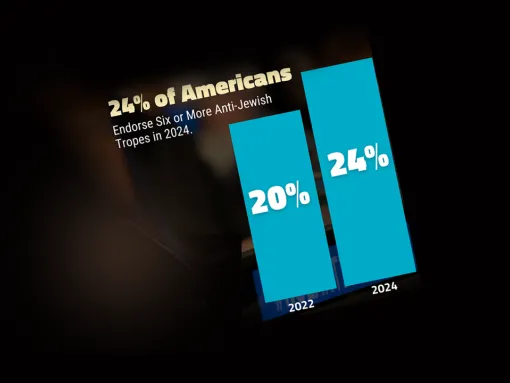
ADL Center for Antisemitism Research's new study - fielded in Jan. 2024 - reveals 24% of Americans harbor extensive antisemitic prejudice, up from 20% in 2022.

ADL report on the hateful antisemitic conspiracy theories and tropes in political cartoons in the Arab press in the aftermath of Hamas’ Oct. 7 terrorist attacks