





For Educators Individuals, including parents, and groups who have no formal relationship to a school (Third Parties) may distribute religious materials, including Bibles, to students outside of school premises. They may also discuss religious matters with students.
Third-party materials or publications of a religious viewpoint may be distributed on- campus to the same extent distribution of third-party secular materials is permitted. However, courts have applied different rules to…
185 Results
Back
For Educators Release time in the public schools refers to programs in which students are released from school early to attend religious classes off school premises. Participating students must have permission from their parents. Nonparticipating students remain in school. Such programs may be constitutional if the religious classes take place off school grounds, if no public school funds are expended, and if school officials or teachers do not promote program attendance through coercion or…
For Educators | For Parents, Families, and Caregivers Rosalind Wiseman talks about raising teenagers in a complex world, the role of social media and gaming, what teachers can do to engage students and how her own parenting informs her work. Rosalind Wiseman is a teacher, thought leader, author and media spokesperson on bullying prevention, ethical leadership, the use of social media and media literacy. She is the author of several books including Queen Bees and Wannabes: Helping Your Daughter…
For Educators | For Parents, Families, and Caregivers In this podcast, Cece Bell talks about what inspired her to write El Deafo, the response she has received about the book from children and adults and why friendship is so central to her books.
Read the transcript of the podcast. Cece Bell is a children's book author and illustrator. El Deafo, her first graphic novel, is a slightly fictionalized memoir about her childhood, her hearing loss, her first crush and her quest for a true…
For Educators In this podcast, Duncan Tonatiuh talks about meeting Sylvia Mendez and how that inspired him to write Separate Is Never Equal, his love of art and writing and how his dual citizenship identity shapes what he writes.
Duncan Tonatiuh is an award winning children's book author and illustrator. He was born in Mexico City and grew up in San Miguel de Allende. He graduated from Parsons New School for Design and Eugene Lang College in NYC. Duncan has…
For Educators | For Parents, Families, and Caregivers In this podcast, Ami Polonsky talks about why she wrote the book, how parents and teachers can discuss gender and transgender identity with young people and the importance of being an ally.
Ami Polonsky is a children’s book author and teacher. Published in 2014, Gracefully Grayson, a middle grade book, is her debut. Formerly a Chicago Public Schools teacher, Ami spent nine years out of the classroom to…
For Educators In this podcast, Trudy Ludwig talks about Confessions of a Former Bully and why she writes books focused on social aggression and bullying.
Trudy Ludwig is an award-winning author who specializes in writing children's books that explore the colorful and sometimes confusing world of children's social interactions. She has a special focus on addressing relational aggression--the use of relationships to manipulate and hurt others. Trudy wrote her first…
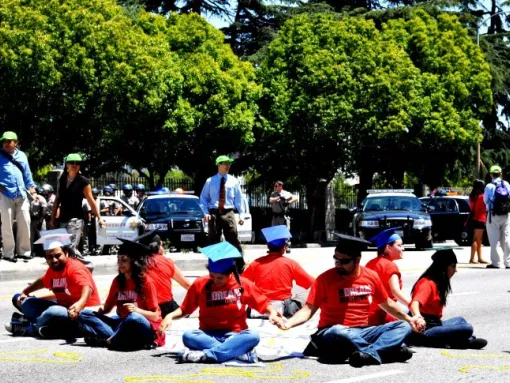
For Educators Our country has a long history of youth-led movements that brought about significant social change. Young people have advocated for child labor laws, voting rights, civil rights, school desegregation, immigration reform and LGBTQ+ rights. Through their actions, the world has changed. Because young people often have the desire, energy and idealism to do something about the injustice they see in the world, they are powerful agents for change. Our work in education helps…

Being able to have respectful and constructive conversations is the bedrock of any relationship—whether those connections take place at home, school, work or in communities. However, when controversy or conflict arises, the discussions can quickly become polarized, heated and personal, making it very difficult to have a conversation where different points of view are aired and discussed. These conversations can be about something controversial like politics, current events, moral…
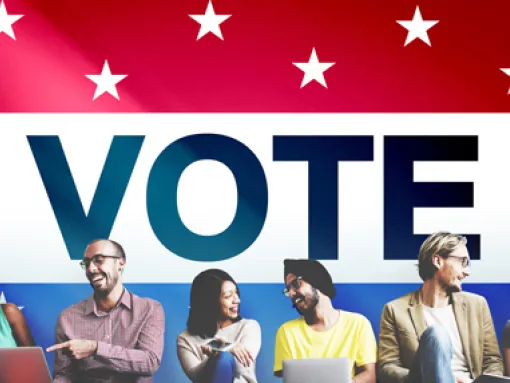
Teachers may want to engage young people in conversations about presidential and other elections and provide opportunities for students to learn more, ask questions and understand what they see and hear. Below are tips and strategies for engaging in these potentially contentious conversations in the classroom and doing so with a critical thinking and anti-bias lens. These strategies can also be used with other controversial issues that arise in your classroom. It is critical that students…
For Educators
In this podcast, she talks about her books, her process for converting big ideas into children's stories and the complex nature of friendship, bullying and standing up.
Kathryn Otoshi is an award winning author/illustrator and speaker best known for her character-building children’s book series, Zero, One and Two. She travels to schools across the country to encourage kids to develop strong character assets and helps teachers find…

In recent years, we have seen alarming images and biased language in schools and universities: name-calling, hate-filled taunts, vandalism, racial slurs and epithets, offensive graffiti on desks and bathroom walls. In addition, many young people—especially those whose identities have been targeted publicly with words and actions—are fearful and worried. Teachers have had to work overtime to console those students and provide resources to get help. Schools must be places where…
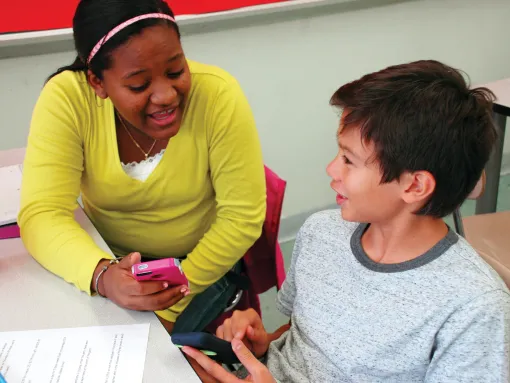
For Educators | For Parents, Families, and Caregivers | For Students Here are some simple things you can do to be an ally to targets of name-calling and bullying. And remember—always think about your safety first when deciding the best way to respond. 1. Support targets, whether you know them or not.Show compassion and encouragement to those who are the targets of bullying behavior by asking if they’re okay, going with them to get help and letting them know you are there for them…
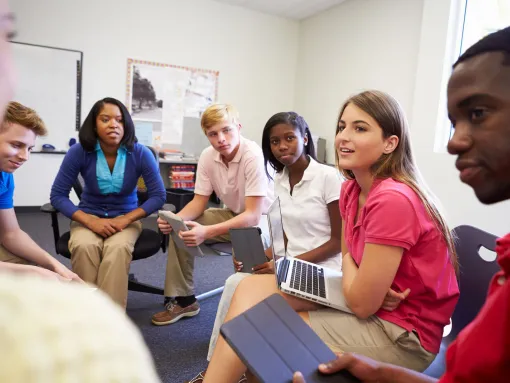
Young people are exposed to discussions of extremism every day through social media, news and overheard conversations between adults. As an educators, the topic can be challenging to teach because the situation is always changing and evolving and worse--classroom conversations can themselves lead to stereotyping, bias and bigotry when discussing perpetrators, targets and victims. The following resources will help you teach about extremism while ensuring that the…

Table Talk: Family Conversations About Current Events
For Parents, Families, and Caregivers | 12 and up Talking with Children about Gun ViolenceThe issue of gun violence and mass shootings is in the news frequently. Young people are usually aware of what is happening and will want to talk about it. However, it is a sensitive, scary, and potentially painful topic. Before raising the matter with young people, consider your child’s personality. To what extent will the conversation…
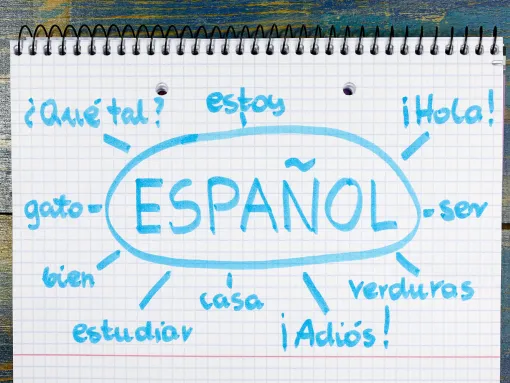
Para fomentar escuelas y aulas respetuosas, inclusivas y equitativas, es importante reconocer la lengua que hablan los alumnos y sus familias. Esas lenguas reflejan y afirman su origen étnico, su cultura y su herencia. Según datos recientes del Censo, 63,7 millones de personas (o el 19,1% del total de la población) que viven en Estados Unidos se identifican como hispanos/latinoamericanos. Además, la mayoría de los hispanos (75%) afirman ser capaces de…
Advocating to Elected Officials
Advocating to the Media
Advocating on Campus

For Educators Because discussions of race and racism are part of our public discourse, educators feel a sense of responsibility to bring these topics into their classrooms—because young people want to be part of the conversation and should be. If handled effectively, these discussions provide opportunities for timely learning. Below are suggestions and strategies for having classroom conversations with young people about race and racism. Prior to these discussions and…
Most Americans’ perceptions of the Middle East conflict come from the mass media. Some media – especially large-circulation daily newspapers, network television and wire services – have correspondents based in Israel and continue to devote considerable attention to the Mideast. This is not surprising considering the intensive U.S.involvement in the peace process, America’s substantial interests in the region, and the continuing strong ties between the U…
Early Childhood Question Corner For Educators | For Parents, Families, and Caregivers Many adults think that talking with children about our differences teaches prejudice. In Anti-Bias Curriculum, Louise Derman-Sparks (1989) debunks that myth and writes that talking about differences does not increase prejudice in children. Whether or not adults discuss differences with children, all children begin to notice differences among people as part of their natural development. It is the messages…